
RTE summary ofAI And Screens Fueling A Generation of Depressed, Isolated and Gender-Confused Youth, Experts Warn, news report, IJR,
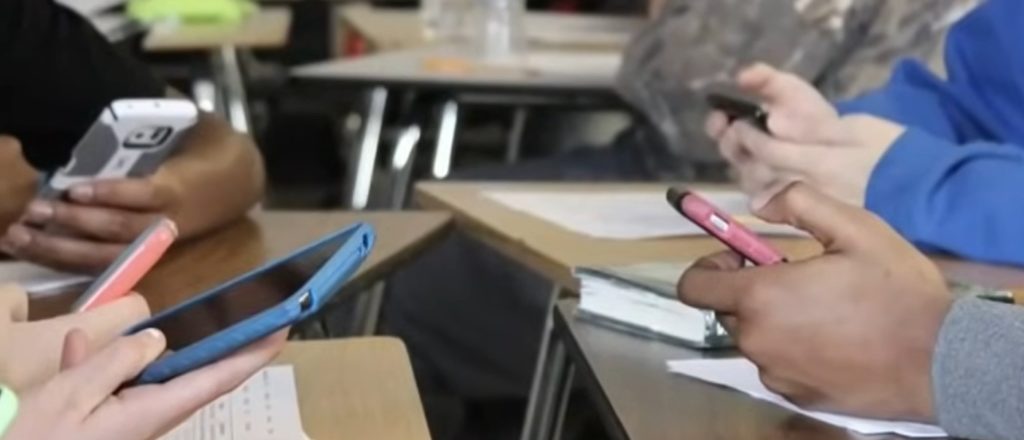
IJR reports on an online event hosted by the parental rights group Moms for Liberty, drawing on interviews with the Daily Caller News Foundation. Michael Marinaccio of the Center for Responsible Technology and Nicole Runyon, a former child psychotherapist who now works as a parent coach, argued that classroom devices, smartphones, and AI chatbots are holding back children's cognitive and emotional development and contributing to a youth mental health crisis.
Runyon said she left child psychotherapy for parent coaching after concluding that screens and AI were creating mental health problems, and that the real work lay with parents. She added that chatbots, which respond to and affirm whatever a child says, magnify the effects already seen with social media. Marinaccio listed specific risks he sees in chatbot tools: inaccurate answers, built-in bias, collection of student data, exposure to explicit content, and a tendency to simply agree with users. The article cites survey data on declining marriage expectations among high school seniors and on loneliness by generation.
The article also reports the speakers' view that online content is contributing to gender confusion among young people. That connection is a subject of ongoing debate among researchers and clinicians.
Why it matters
Some of the concerns raised here are broad claims about the causes of complex trends, which take careful research to settle. Others are specific, testable properties of products: whether a tool collects student data, whether it can surface explicit content, whether it tends to agree with whatever a child says. Those are exactly the kinds of questions independent evaluation can answer with evidence.
This is RTE's summary. For the complete story, read it where it was originally published.
Read full article on IJR (opens in a new tab)Opens on IJR.
RTE summaries describe published reporting and commentary. Views and claims belong to the people and publications cited.