
RTE summary ofAI in the classroom: finding the best path forward, opinion column, High Plains Reader,
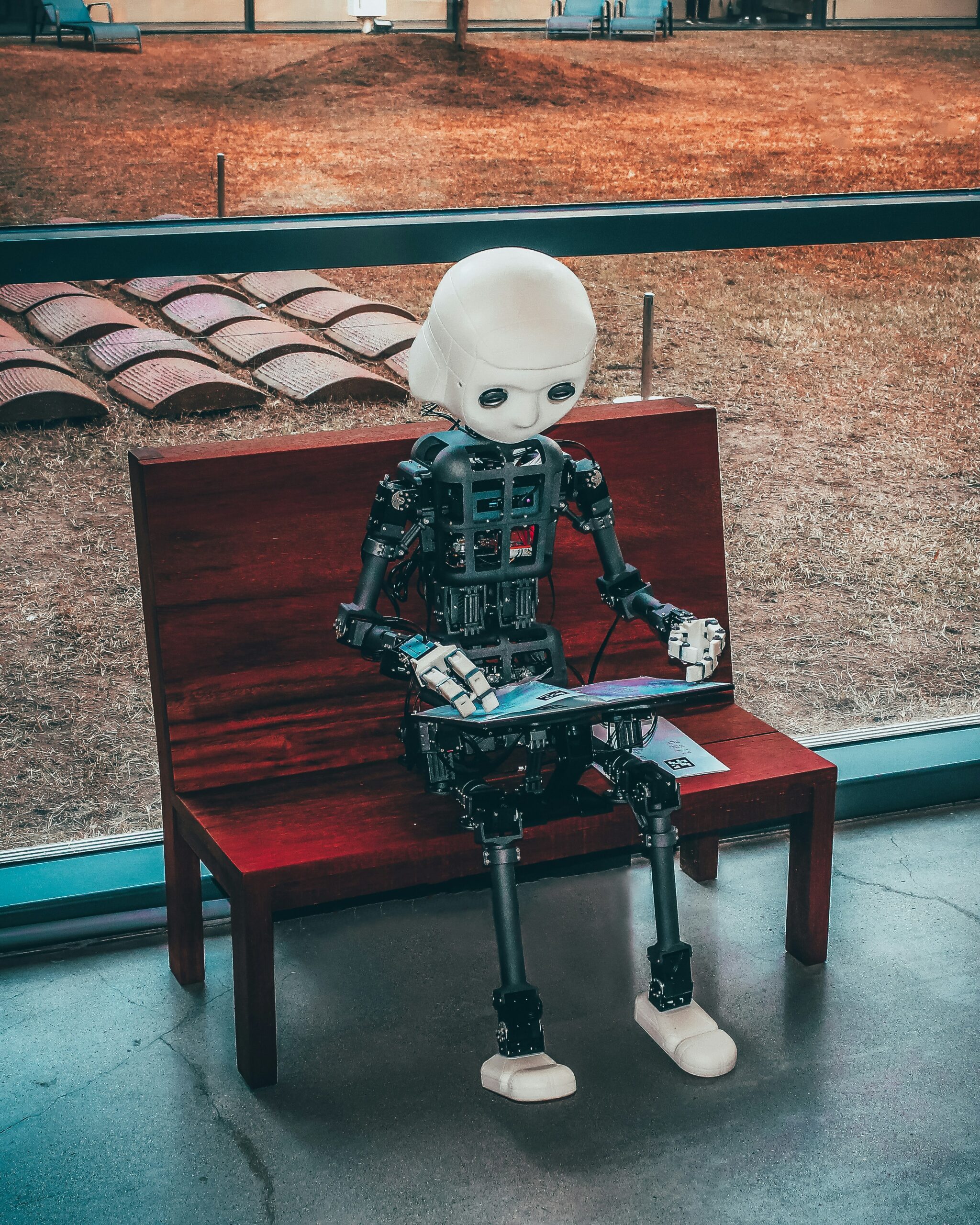
This opinion column opens with two recent examples of schools buying AI. A New York district board approved roughly $60,000 for three AI products, including a human-like robot, a virtual teaching assistant, and an at-home tutoring program, then put the purchase on hold after parents raised concerns. A San Diego charter network spent $500,000 on two ChatGPT-powered robots to study how AI might support teaching.
From there, the columnist traces AI's history and lists the worries schools face: weaker critical thinking and creativity, student safety, inaccurate or biased information, less human interaction, and students passing off AI work as their own. The column points to a national three-year survey of 1,058 districts that found them taking a deliberate approach rather than rushing in or resisting, and it highlights North Dakota Superintendent Levi Bachmeier's emphasis on student safety first and training before students use AI in class.
The author also argues against the current federal push to loosen AI rules, a point of active political debate.
Why it matters
In the New York example, the purchase was approved first and paused only after parents raised concerns. Independent evidence about what a product actually does for students, available before a purchase, gives districts and families a shared basis for that decision.
This is RTE's summary. For the complete story, read it where it was originally published.
Read full article on High Plains Reader (opens in a new tab)Opens on High Plains Reader.
RTE summaries describe published reporting and commentary. Views and claims belong to the people and publications cited.